How to Turn Your Backyard Into a Stress-Relief Sanctuary: Science-Backed Garden Ideas
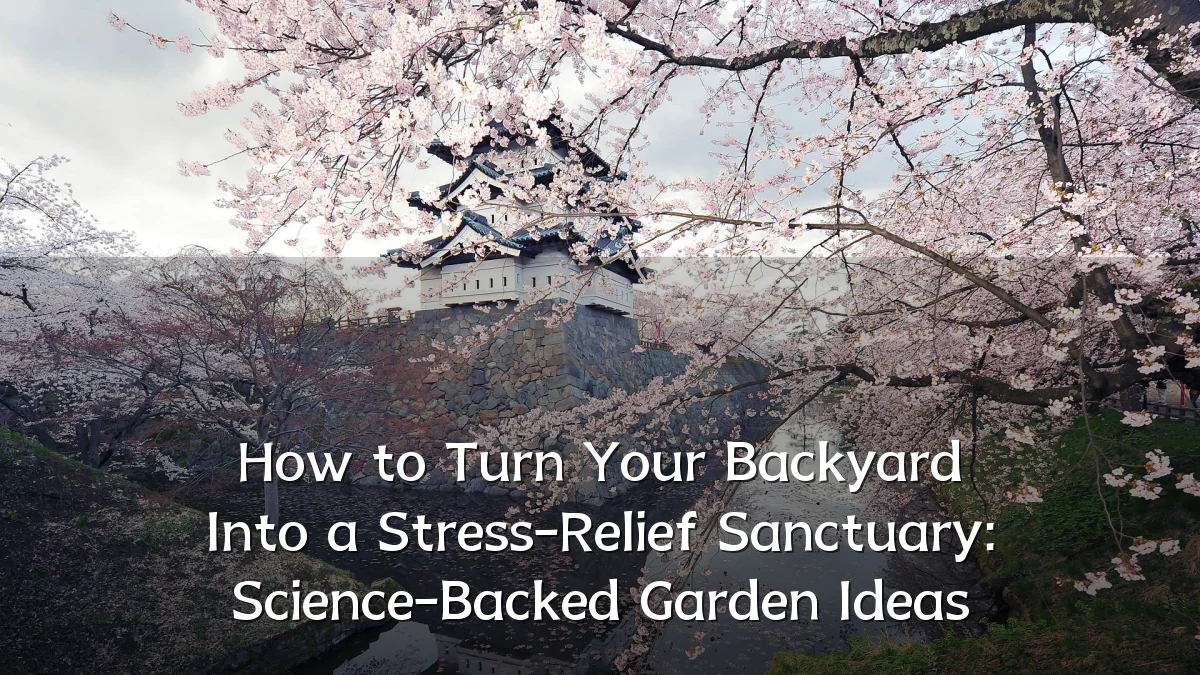
As interest in home-based wellness continues to grow, the backyard is being reconsidered as more than a lawn or a place for weekend barbecues. Increasingly, homeowners are looking to their outdoor spaces as settings for mental recovery, guided by a mix of landscape design trends and a growing body of research on how nature affects the brain. This article examines why stress-relief gardening has gained traction, what the science actually suggests, and what practical questions remain for households considering the shift.
Recent Trends
The concept of the "wellness garden" has moved from a niche landscaping specialty into broader consumer conversations. Designers and garden retailers report rising demand for features that are calming rather than purely ornamental, such as quiet seating nooks, water elements, and layered greenery that appeals to multiple senses.

- Sensory planting: Gardens designed around texture, scent, and sound—including ornamental grasses, fragrant herbs, and rustling foliage—have become a popular category in landscape media.
- Accessible mindfulness: Social platforms have popularized simple, low-cost backyard retreats, from shaded hammock corners to container herb gardens that promise a "mini escape."
- Biophilic design: The broader architectural trend of connecting indoor and outdoor spaces has encouraged homeowners to treat the yard as an extension of the living area, not just a maintenance obligation.
These trends reflect a cultural shift toward investing in the home environment as a buffer against daily stress, though the strength of the underlying evidence often varies from one approach to another.
Background
The idea that gardens can support mental health is not new, but it has gained clearer scientific framing in recent decades. Environmental psychology research, particularly Attention Restoration Theory, proposes that natural settings allow the brain's directed attention to recover from fatigue. This is often cited as a foundation for why certain garden layouts—those with gentle focal points, varied layers, and a sense of "getting away"—can feel restorative.
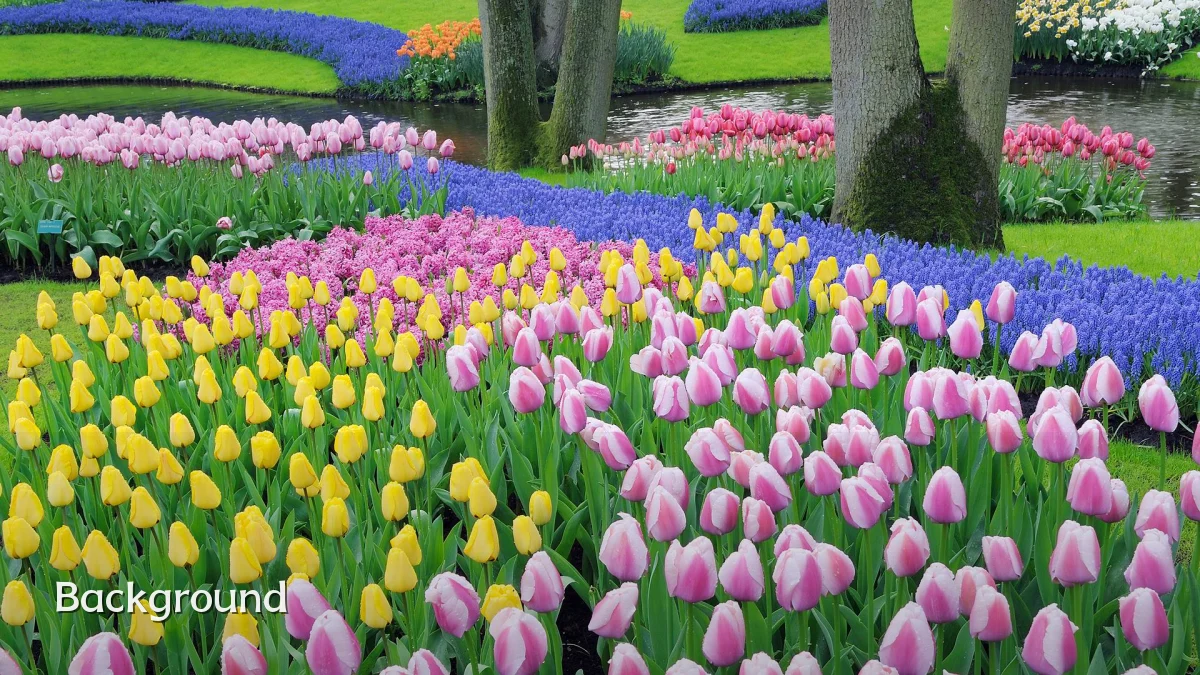
Additional lines of research have pointed to measurable physiological changes. Time spent in green space has been associated with lower reported stress levels, and some studies suggest that activities like digging, planting, and weeding can modestly reduce cortisol, a hormone linked to stress. Other work has explored how contact with soil microbes or airborne compounds released by trees might influence mood, though many of these findings are preliminary and require careful interpretation.
What the research tends to support is consistency: regular, modest exposure to a thoughtfully designed garden—rather than an elaborate one-time landscape project—appears to yield the most reliable benefits.
User Concerns
For consumers, the gap between idealized garden imagery and daily reality can be wide. Before starting a stress-relief garden, practical considerations often determine whether the project succeeds or becomes another source of worry.
- Maintenance load: A garden that demands constant weeding, watering, and pruning can itself create anxiety. Low-maintenance design—native plants, mulched beds, automated irrigation—tends to be recommended for stress-reduction goals.
- Space and budget: Not every household has a large yard. Container gardens, vertical wall planters, and even a small balcony can be adapted, but costs vary widely depending on materials and plant selection.
- Climate and water constraints: Drought-prone regions face real limits on lush, water-intensive planting. Choosing resilient, regionally appropriate species is often necessary to avoid environmental guilt.
- Safety and sensitivities: Families with small children or pets must screen plants for toxicity, and individuals with pollen allergies may need to select low-allergen or insect-pollinated varieties.
Addressing these concerns early tends to increase the likelihood that the garden becomes a lasting retreat rather than a short-lived project.
Likely Impact
If the current interest in restorative backyards persists, the effects could be visible beyond individual properties. On a personal level, regular gardening and outdoor relaxation may support emotional regulation and serve as a low-cost complement to other mental health habits. Community-level impacts are also plausible, as neighborhoods with greener, more inviting private spaces may see more outdoor interaction among neighbors.
- Behavioral shifts: Replacing screen time with outdoor routines such as watering, pruning, or reading in a shaded corner is often cited as one of the simplest, evidence-aligned benefits.
- Environmental co-benefits: Gardens designed for stress relief often overlap with pollinator-friendly planting, shade provision, and reduced lawn area—all of which can carry ecological advantages.
- Market responses: Expect more nurseries and garden centers to package "wellness" collections, though consumers will need to evaluate whether those products are genuinely suited to local conditions.
At the same time, the impact should not be overstated. A garden is not a substitute for professional mental health care, and poorly planned projects can create financial or environmental burdens.
What to Watch Next
As the backyard-sanctuary concept matures, several developments are likely to shape how consumers approach it in the coming seasons.
- Smarter garden technology: App-controlled irrigation, soil sensors, and shade automation are making it easier to maintain a calming yard with less effort and water waste.
- Regional and native focus: Expect growing emphasis on local ecological conditions, as the most sustainable stress-relief gardens rely on plants that naturally thrive rather than those that demand constant intervention.
- Evidence-informed design guidance: Landscape professionals and extension services are beginning to translate stress research into concrete planting and layout principles, which should help consumers separate meaningful design choices from passing fads.
- Health-sector integration: Some healthcare and community programs are exploring "nature prescriptions" or subsidized garden access. If these initiatives expand, they could strengthen the credibility of garden-based wellness claims.
The backyard sanctuary trend is unlikely to disappear quickly, because it connects to durable human needs for rest, sensory engagement, and a sense of control over one's environment. The key question is not whether gardens can help with stress—decades of research suggest they can—but how well future guidance helps people build gardens that are feasible, local, and genuinely restorative over the long term.